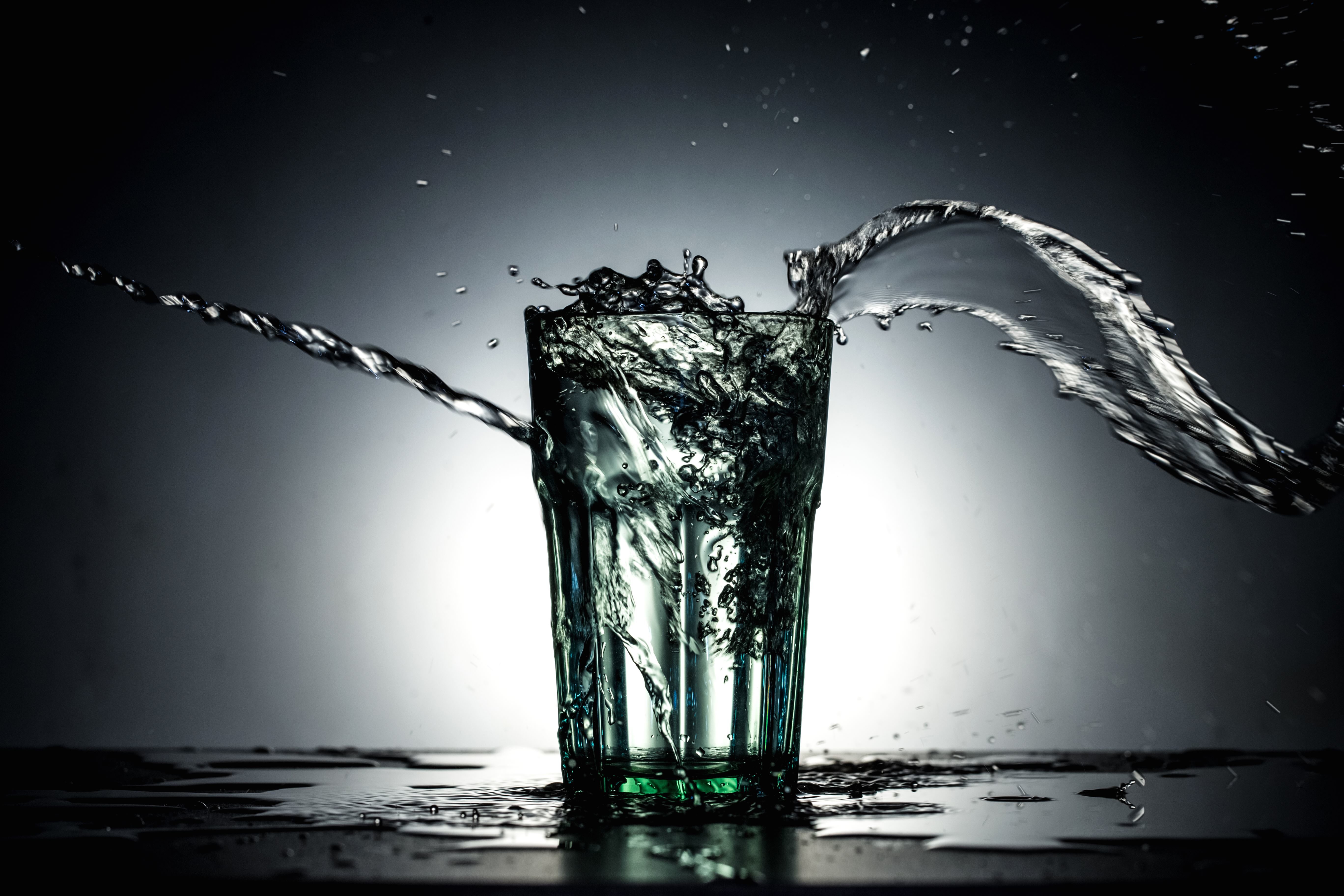
We've all heard the classic advice: drink eight glasses of water a day. While this is a reasonable starting point, the reality of optimal hydration is far more nuanced. You can drink gallons of water and still feel thirsty, fatigued, or experience muscle cramps. Why? Because true hydration isn't just about the volume of water you consume—it's about whether that water can actually get into your cells and perform its essential functions. At Vitality Wellness and Beyond, we call this deeper understanding Hydration 2.0: moving beyond simple water intake to focus on cellular hydration and electrolyte balance.
Water is the medium through which every biochemical reaction in your body occurs. But without the right companions, it can't do its job effectively.
The Electrolyte Essential: More Than Just Salt
Electrolytes are minerals that carry an electrical charge when dissolved in water. They include sodium, potassium, magnesium, calcium, chloride, and phosphate. These charged particles are responsible for:
-
Nerve Signaling: Electrolytes generate the electrical impulses that allow your nerves to communicate with your muscles and brain.
-
Muscle Function: Proper muscle contraction and relaxation depend entirely on the balance of calcium, sodium, and potassium.
-
Fluid Balance: Electrolytes determine how water is distributed throughout your body—inside cells, in the space between cells, and in your bloodstream.
-
pH Balance: They help maintain the proper acid-base balance in your blood and tissues.
When you drink plain water without adequate electrolytes, especially after sweating or during illness, you can actually dilute the mineral concentration in your blood, a condition called hyponatremia. This is why athletes drink electrolyte solutions, not just water.
Cellular Hydration: Getting Water Where It Needs to Go
Water must cross cell membranes to hydrate you at a cellular level. This process is governed by osmosis, which is driven by electrolyte concentrations. Simply put, electrolytes help "pull" water into your cells.
Factors that impair cellular hydration:
-
Low electrolyte intake: Particularly sodium and potassium from whole foods.
-
High sugar consumption: Excess sugar in the bloodstream can actually draw water out of cells.
-
Chronic stress: Elevated cortisol affects fluid balance and mineral retention.
-
Caffeine and alcohol: Both act as diuretics, increasing fluid loss.
Signs You May Need More Than Just Water
Beyond obvious thirst, watch for these subtle indicators of electrolyte imbalance or poor hydration:
-
Persistent fatigue or brain fog: Your brain is highly sensitive to dehydration and mineral balance.
-
Muscle cramps or twitching: Often a sign of low magnesium or potassium.
-
Headaches: Especially those that don't respond to drinking water.
-
Dizziness upon standing: Can indicate low blood volume or sodium imbalance.
-
Salt cravings: Your body may be signaling a need for more minerals.
-
Dry skin that doesn't improve with moisturizer: Internal hydration reflects externally.
How to Achieve True Hydration
1. Start Your Day with Minerals
After a night's sleep, you're mildly dehydrated. Instead of plain water, try warm water with a pinch of high-quality sea salt and a squeeze of lemon. This provides trace minerals and kicks off your hydration with electrolytes.
2. Eat Your Water
Many fruits and vegetables have high water content that's naturally structured with minerals and sugars that aid absorption:
-
Cucumber (96% water)
-
Celery (95% water)
-
Watermelon (92% water)
-
Strawberries (91% water)
-
Spinach (92% water)
3. Match Your Intake to Your Activity
Your hydration needs fluctuate with your life:
-
Sedentary day: Focus on water and water-rich foods.
-
Sweaty workout or hot day: Add electrolytes. Coconut water is a natural source, or use a quality electrolyte powder without added sugar.
-
After illness (vomiting/diarrhea): Aggressive electrolyte replacement is crucial.
4. Consider Your Water Quality
Not all water is equal. Reverse osmosis or distilled water, while pure, lacks minerals. If you drink these, it's especially important to get minerals from food or supplements. Spring water or mineral water contains naturally occurring electrolytes.
5. Listen to Your Thirst Intelligently
Thirst is a late-stage signal. By the time you feel thirsty, you're already dehydrated. Sip water consistently throughout the day rather than chugging large amounts infrequently, which can overwhelm your system and lead to frequent urination without true cellular absorption.
The Bottom Line
True hydration is a dance between water and minerals. By understanding this relationship and supporting both sides of the equation, you can experience sustained energy, clearer thinking, better physical performance, and improved overall vitality. Water is essential, but electrolytes make it usable. Give your body both, and you'll finally quench that persistent thirst for genuine wellness.
Start today by adding a pinch of mineral-rich salt to your morning water and noticing how you feel by mid-morning. Sometimes the smallest shifts create the most profound changes.