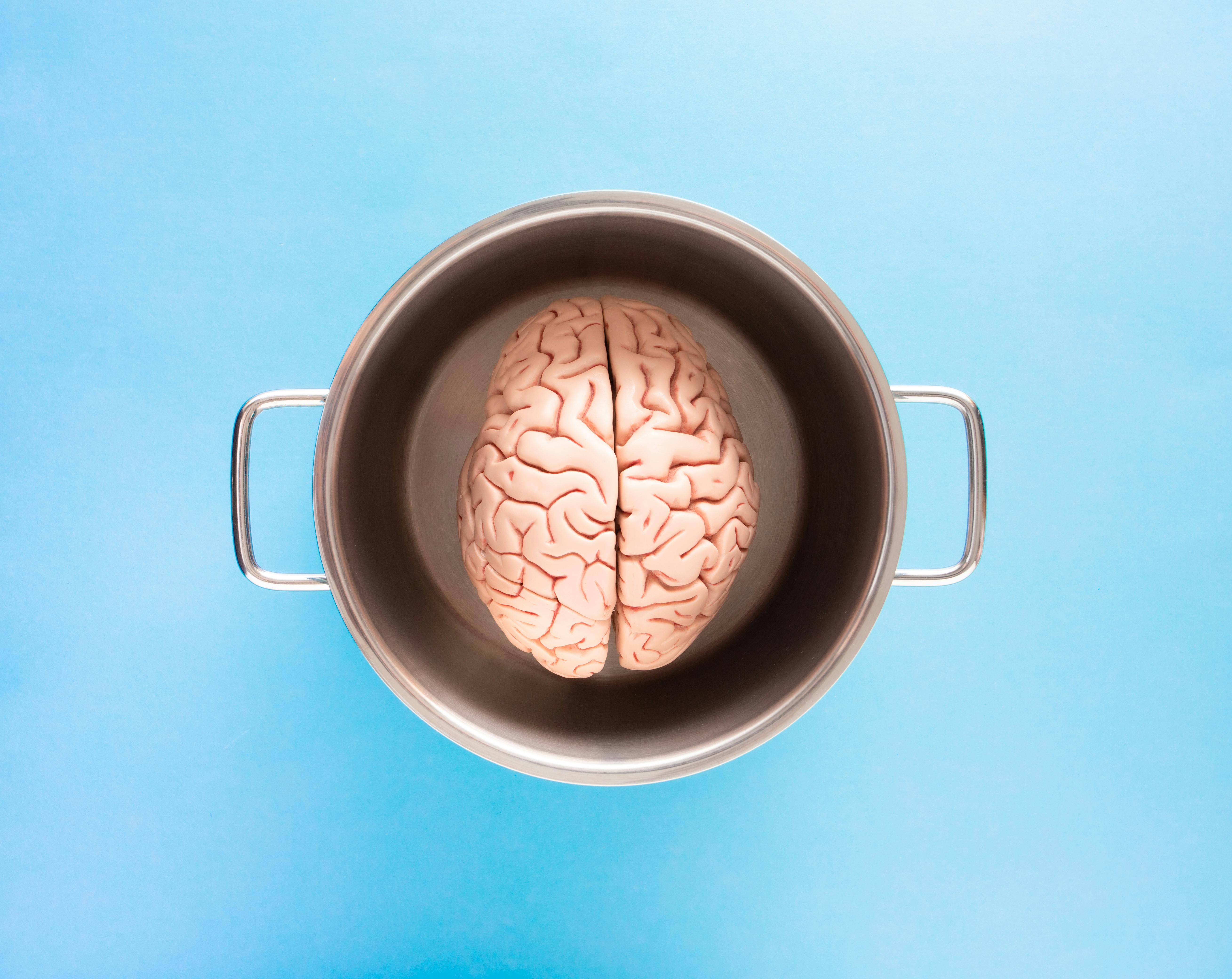
For centuries, traditional healing systems have understood what modern science is now rigorously proving: the mind and body are not separate entities but a deeply integrated, bidirectional system. Your thoughts, emotions, and beliefs are not just ephemeral experiences happening "in your head"—they are powerful biological forces that directly influence your hormone levels, nervous system, immune function, and even gene expression. This field of study is known as psychoneuroimmunology (PNI).
At Vitality Wellness and Beyond, we recognize that optimal wellness cannot be achieved by addressing the body alone. True vitality requires honoring and harnessing the profound connection between your mental state and your physical health.
The Science of the Conversation: How Your Brain Talks to Your Body
The communication network is vast and constant:
-
The Neuroendocrine System: When you experience a thought or emotion—like stress—your brain triggers the release of hormones (e.g., cortisol, adrenaline) and neurotransmitters (e.g., serotonin, dopamine) via the hypothalamic-pituitary-adrenal (HPA) axis. These chemicals travel through your bloodstream, instructing cells and organs on how to behave.
-
The Autonomic Nervous System (ANS): This system controls involuntary functions like heart rate, digestion, and breathing. Your thoughts can instantly shift your ANS from the calm "rest-and-digest" (parasympathetic) state to the stressed "fight-or-flight" (sympathetic) state, altering your entire physiological landscape.
-
Direct Nerve Pathways: Neurons connect your brain directly to immune organs like the spleen and bone marrow, allowing for rapid, direct communication.
The Proof Is in the Physiology: Tangible Mind-Body Effects
This isn't just philosophical; it's observable and measurable:
-
The Placebo (and Nocebo) Effect: The well-documented phenomenon where a patient's belief in a treatment's effectiveness can trigger real, measurable physiological improvements—even if the treatment is inert. Conversely, the "nocebo" effect, where negative expectations worsen symptoms, is equally powerful. This demonstrates that belief alone can alter brain chemistry and physiology.
-
Chronic Stress and Immunity: Persistent stress and negative thought patterns keep cortisol elevated. Over time, this can suppress immune cell activity, making you more susceptible to infections and slowing wound healing. It also promotes systemic inflammation, a root cause of many chronic diseases.
-
Pain Perception: Pain is processed in the brain. Anxiety, fear, and catastrophizing thoughts ("This pain will never end") can amplify pain signals in the brain's somatosensory cortex, making pain feel more intense. Mindfulness and cognitive-behavioral techniques can literally rewire this response, reducing perceived pain.
-
Heart Health: Hostility, chronic anger, and pessimism are linked to increased blood pressure, hardened arteries, and a higher risk of heart attack.
How to Cultivate a Health-Promoting Mind-Body Connection
You can learn to direct this powerful communication system toward healing.
1. Practice Mindful Awareness: The first step is simply noticing. Without judgment, observe the thoughts and emotions that arise throughout the day. Notice how a stressful email tightens your shoulders or how a joyful thought lightens your posture.
2. Harness the Power of the Breath: Your breath is the most accessible tool to shift your nervous system. When stressed, practice deep, slow diaphragmatic breathing. This directly stimulates the vagus nerve, switching you from "fight-or-flight" to "rest-and-digest."
3. Reframe Your Narrative: Cognitive reframing involves consciously challenging negative or catastrophic thoughts. Instead of "I can't handle this," try "This is a challenge, and I have tools to manage it." This changes the chemical signals your brain sends to your body.
4. Cultivate Positive States: Engage in activities that proactively generate positive emotions—gratitude journaling, spending time in nature, listening to music, or connecting with loved ones. These states release health-promoting neurotransmitters like serotonin and oxytocin.
5. Use Visualization: Athletes use this to enhance performance. Similarly, you can visualize your body healing, your immune system as strong, or yourself moving with ease. This mental rehearsal can create neural pathways that support the physical outcome.
Your mind is not a passive observer of your body's health; it is an active participant in its creation. By becoming intentional with your thoughts and cultivating emotional balance, you are not just improving your mental state—you are engaging in one of the most profound acts of preventative and restorative medicine available.